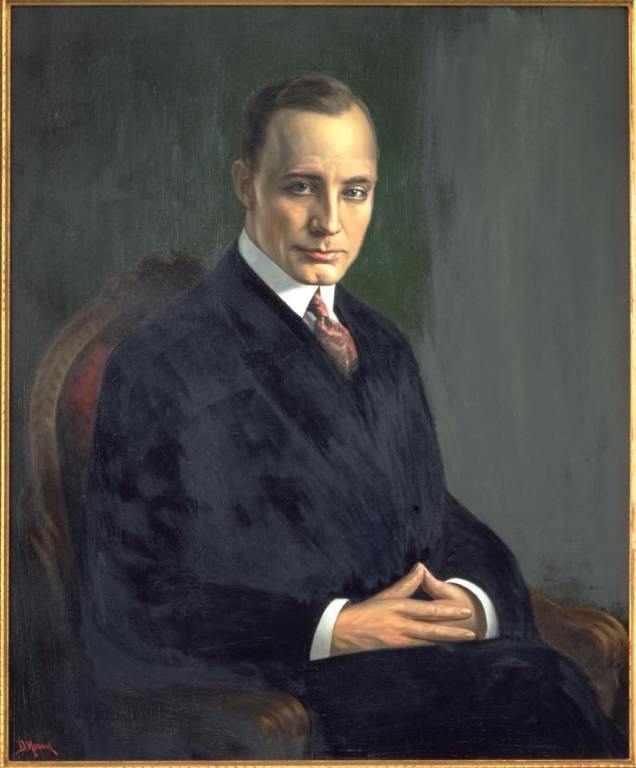
H. Richard Niebuhr (1894-1962) lived through and commented insightfully as a Christian theologian upon several periods of political crisis with some remarkable similarities to the one we are experiencing in 2016.
Niebuhr witnessed one of them in Germany as a foreign observer on sabbatical in 1930. Hitler had not yet come to power. But the appeal of the Nazi version of fascism was unmistakable. Niebuhr attributed it to the reaction of many Germans to the Weimar Republic’s dysfunctional version of democracy, to the economic instability caused by an unfair treaty (Versailles) and their county’s loss of standing as a world power, to the evidence of moral decay at home, and to their scapegoating of a segment of the population.
“At this point,” or so Niebuhr wrote following the fall elections in which the National Socialists gained additional seats in the Reichstag, “there seems to be a dubious hiatus between the public expressions of the leaders and the actual program of the party. This promises the exclusion of Jews from public office, their disenfranchisement and sometimes seems to threaten deportation. The converse of this measureless hate of the Jews is the old chauvinism, the old proud self-exaltation of isolated nationalism and its associate—militarism.”
See The Paradox of Church and World: Selected Writings of H. Richard Niebuhr, Fortress Press, 2015, p. 187-190.
 Jon Diefenthaler